Scrambler Bikes
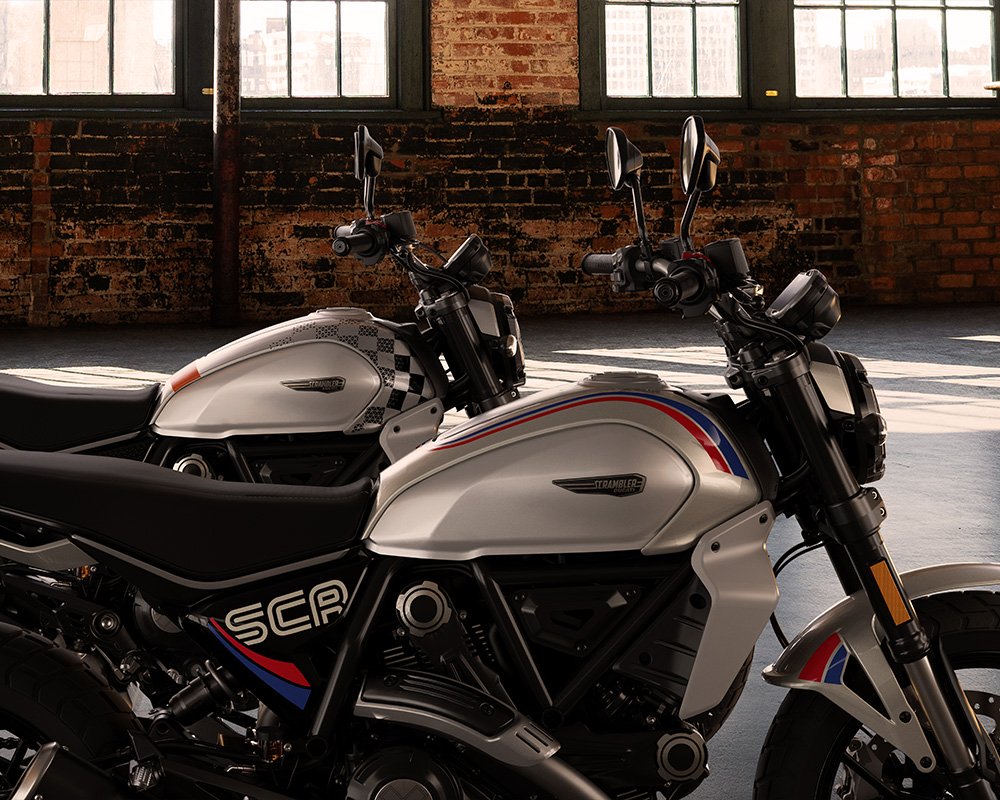
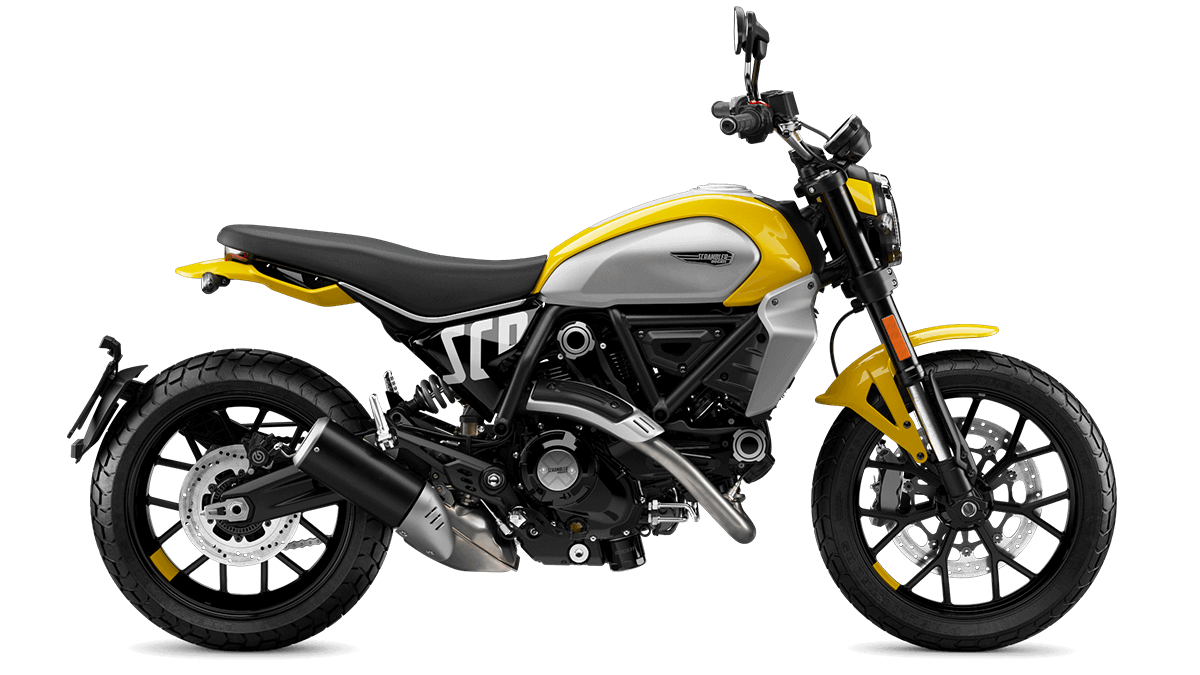
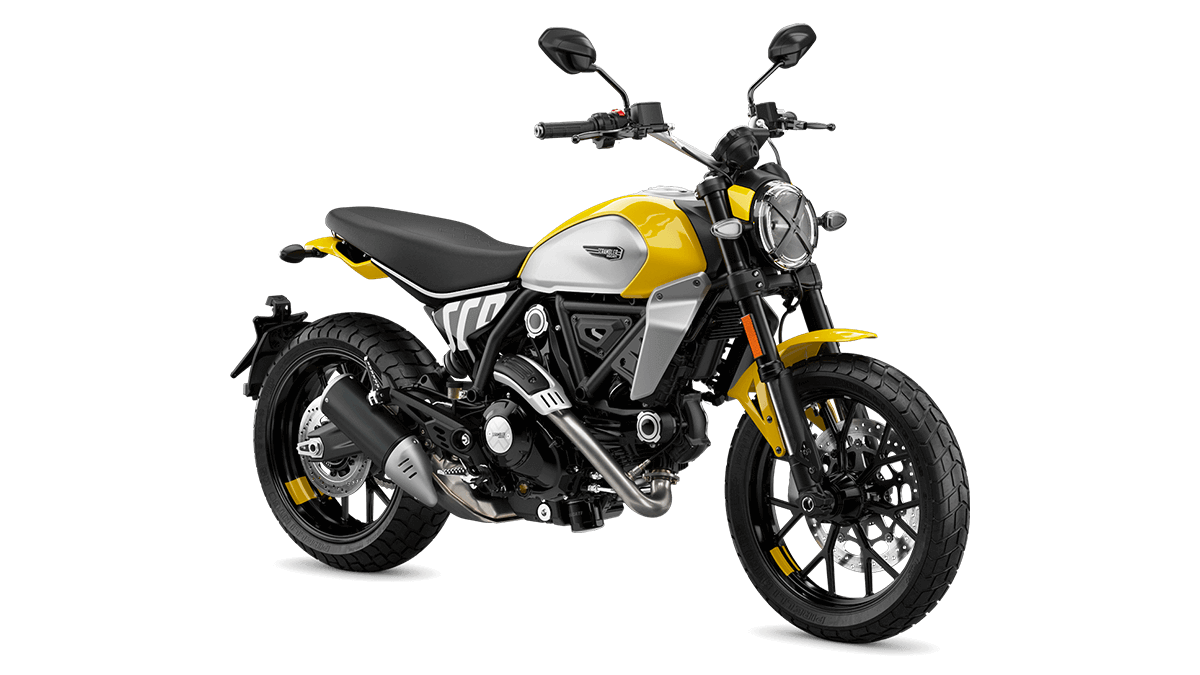
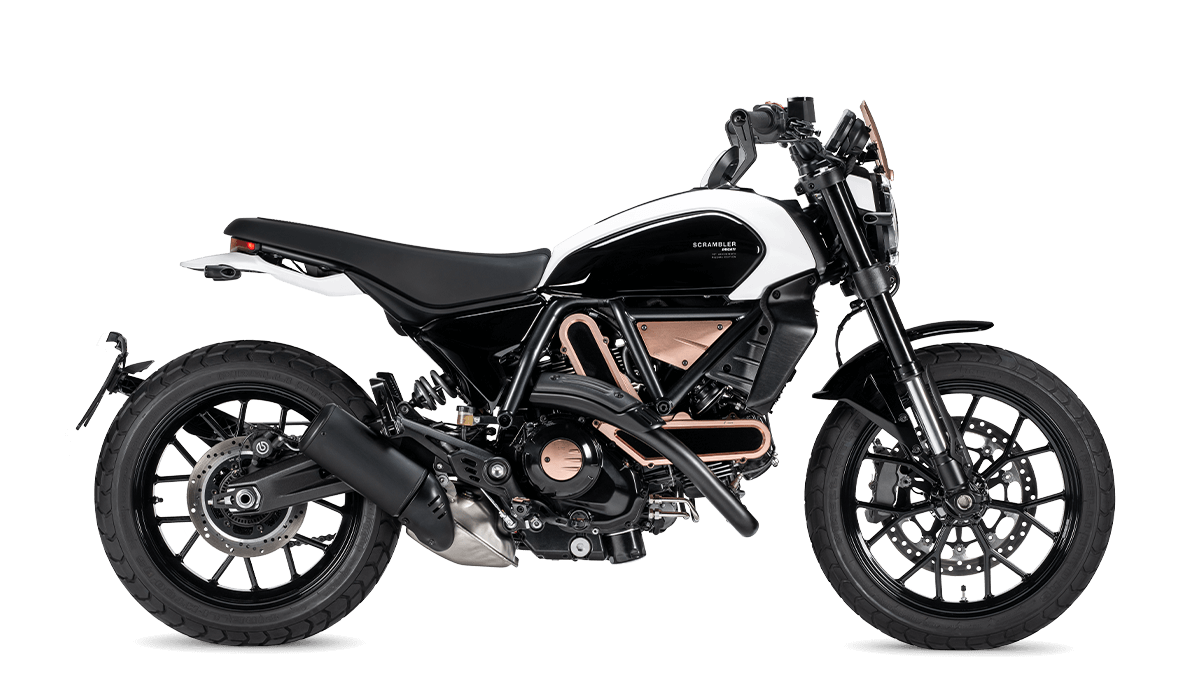
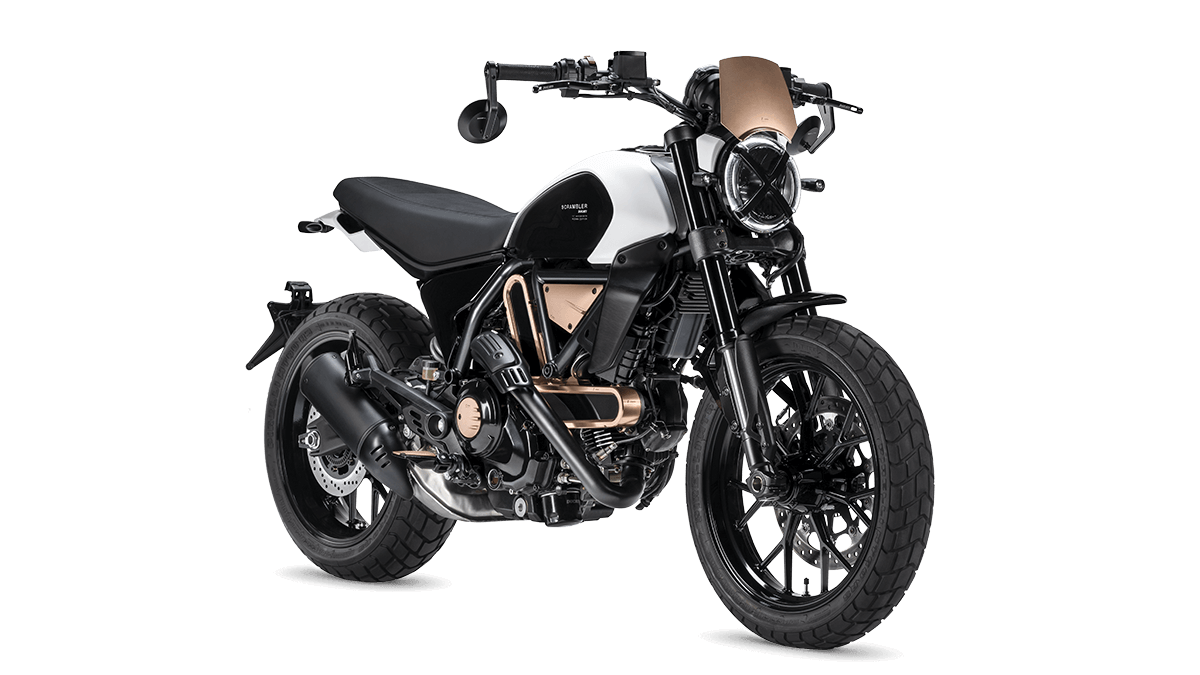
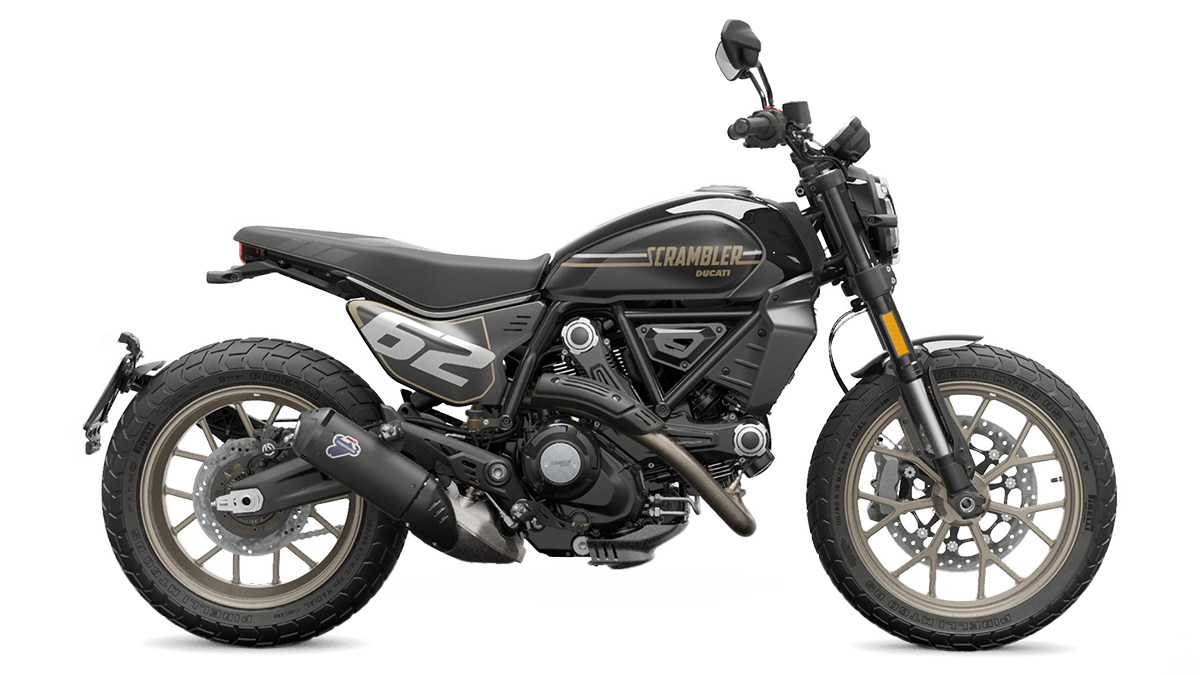
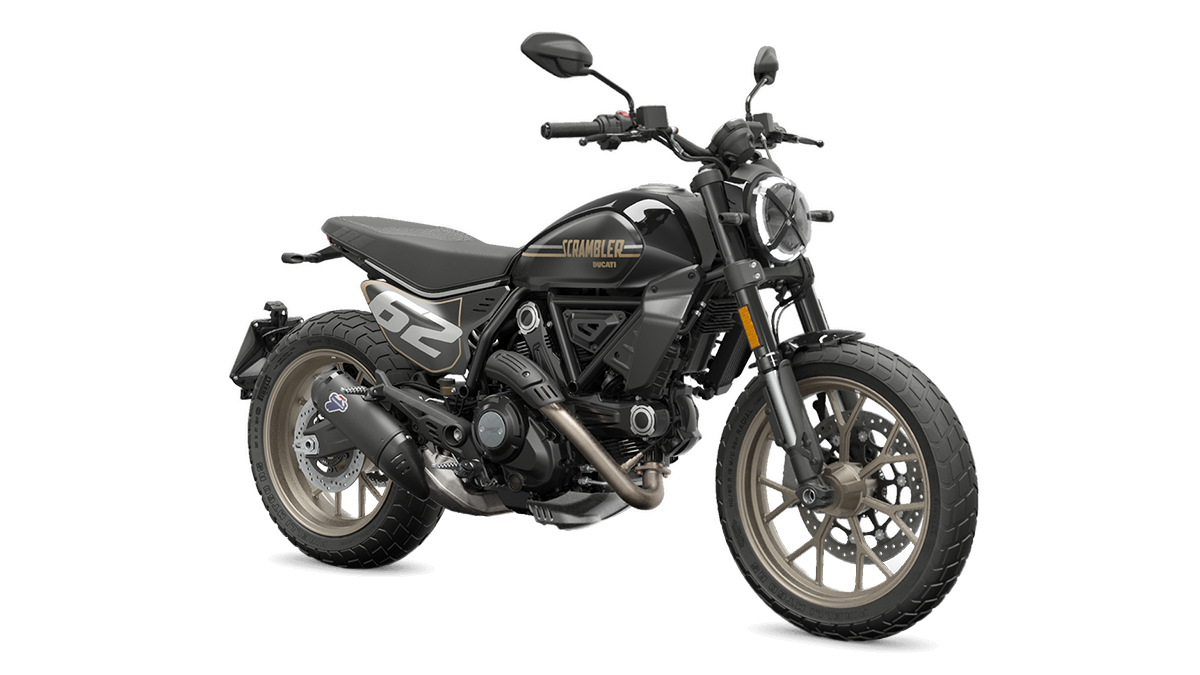
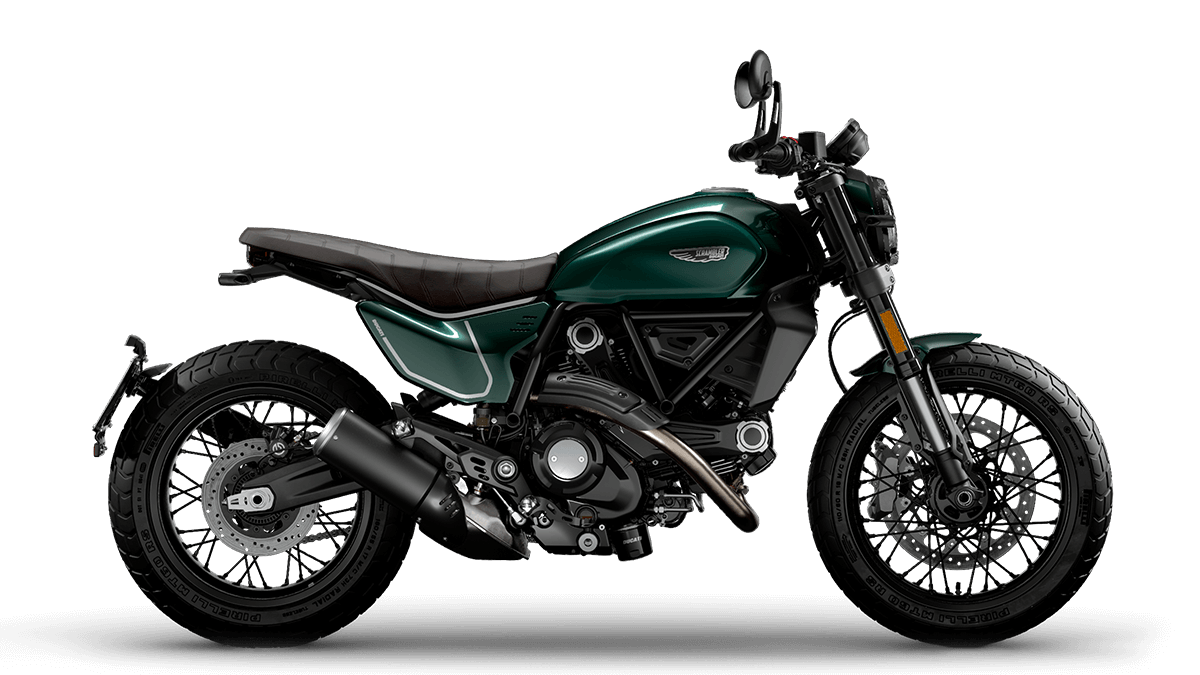
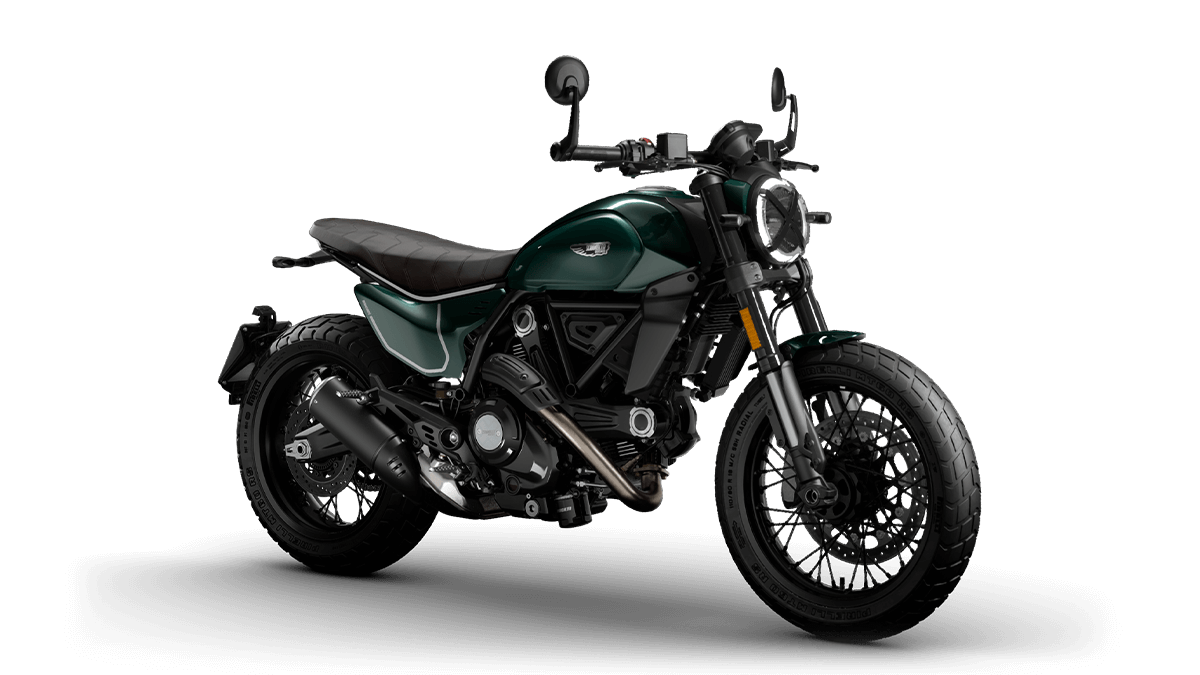
Retro Stripe et Old Skool Checkerboard :
les deux nouveaux kits de revêtement pour Scrambler Icon.
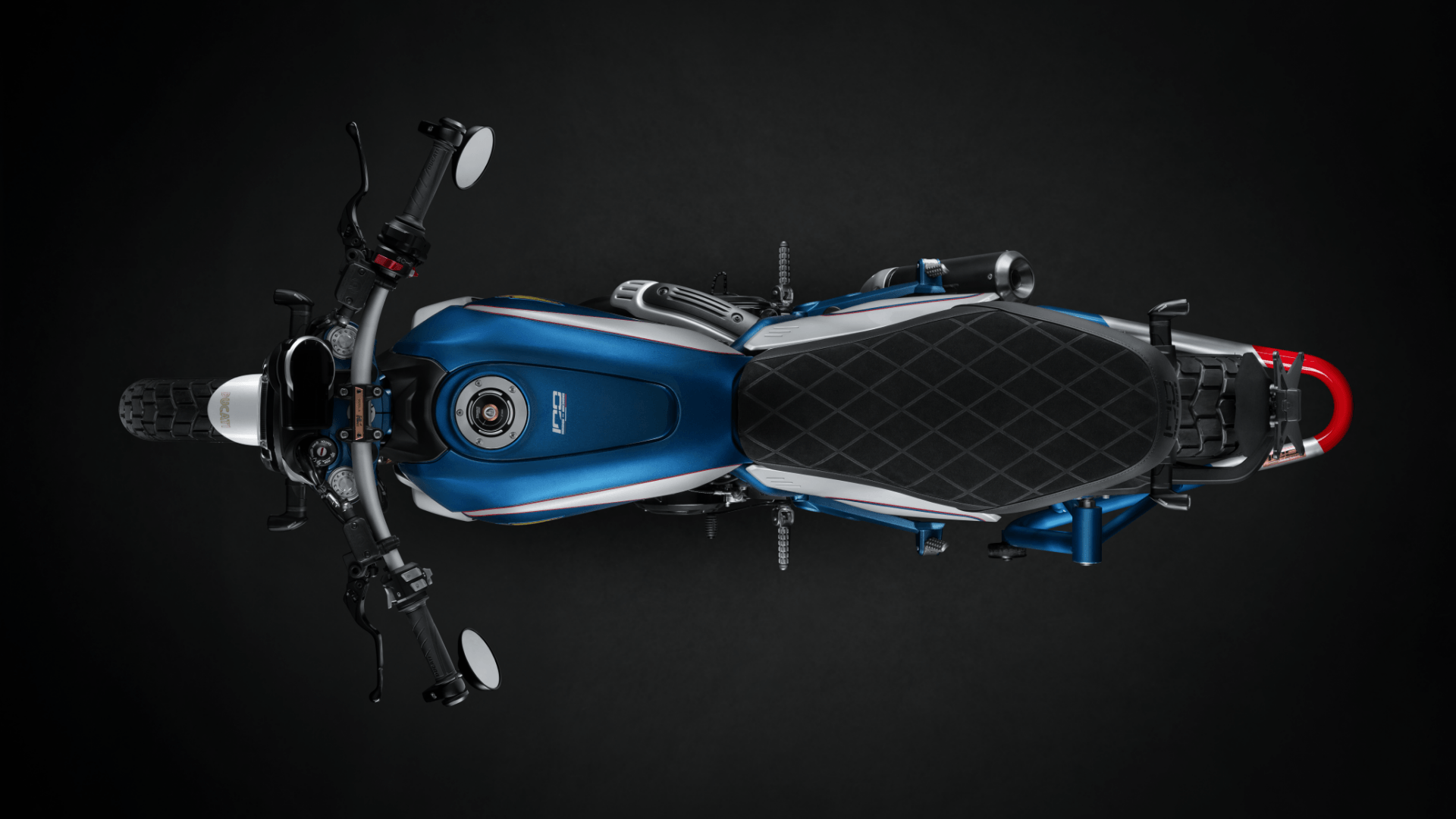
A shade of blue rediscovered in the archives, a logo reconstructed down to the finest detail, and mechanical components painted in a way rarely seen before. The Scrambler 100 livery is much more than an aesthetic choice: it is the result of research, experimentation and meticulous attention to detail. We visited the Ducati Style Centre to discover how it came to life.
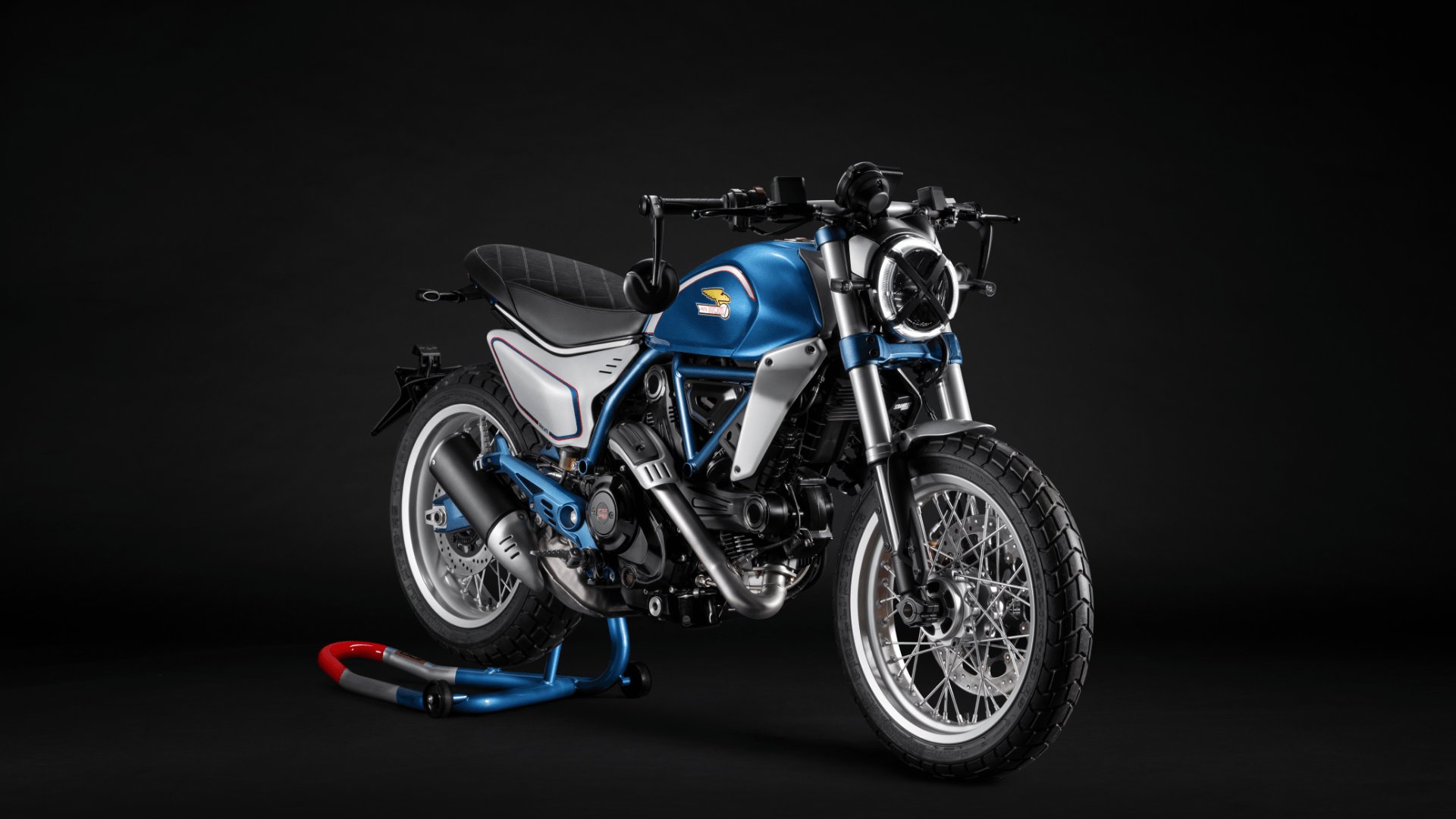
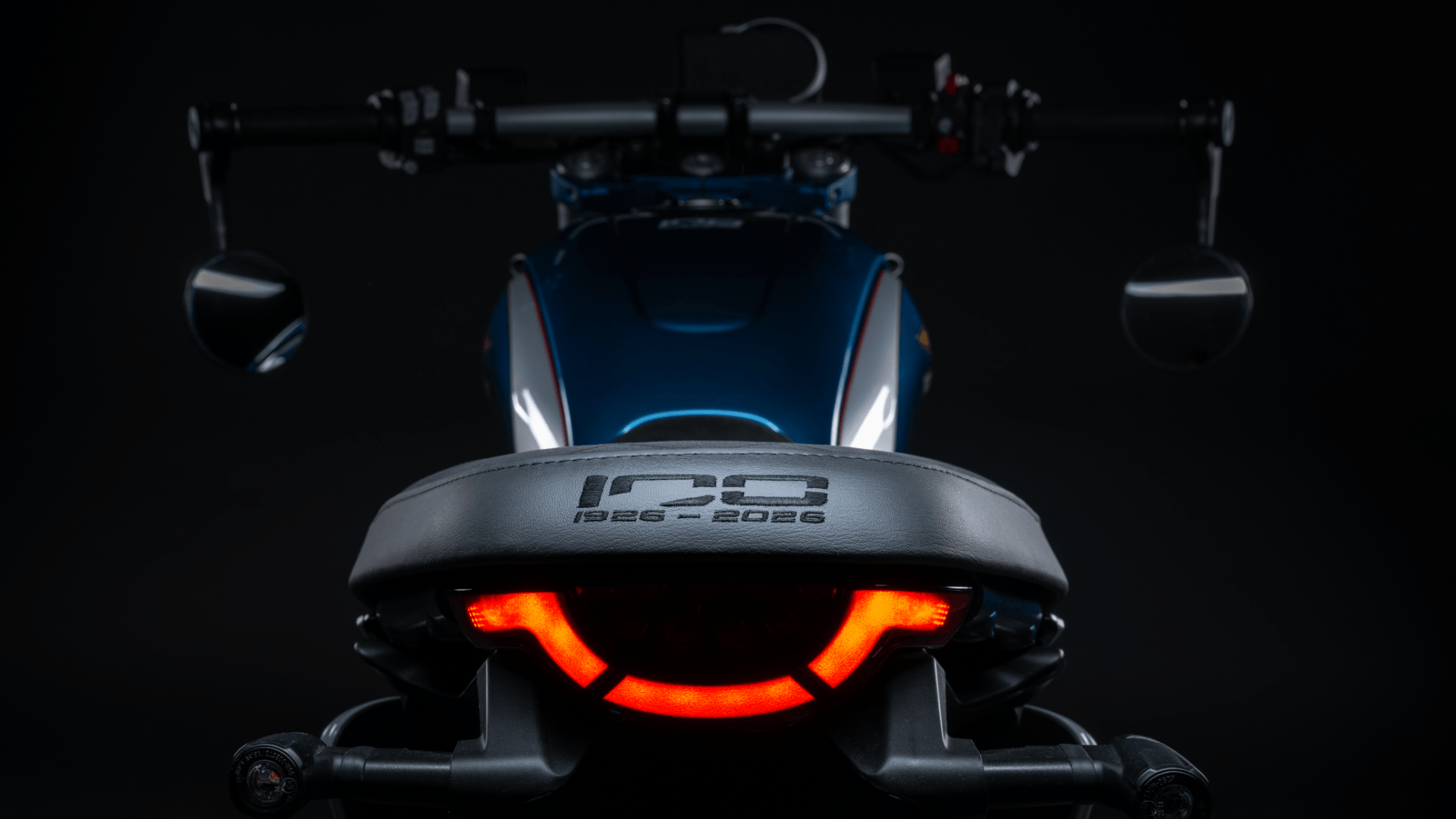
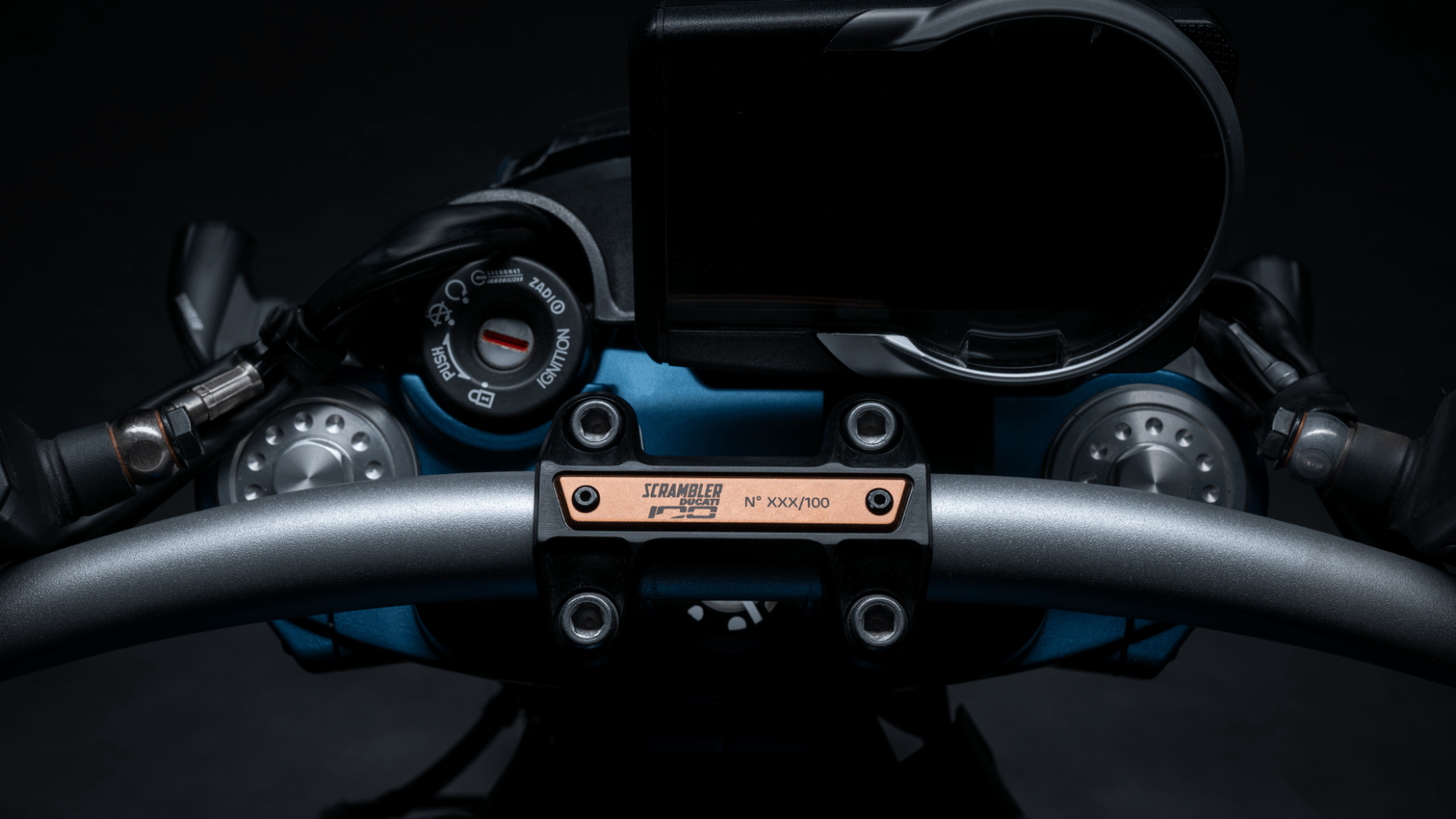
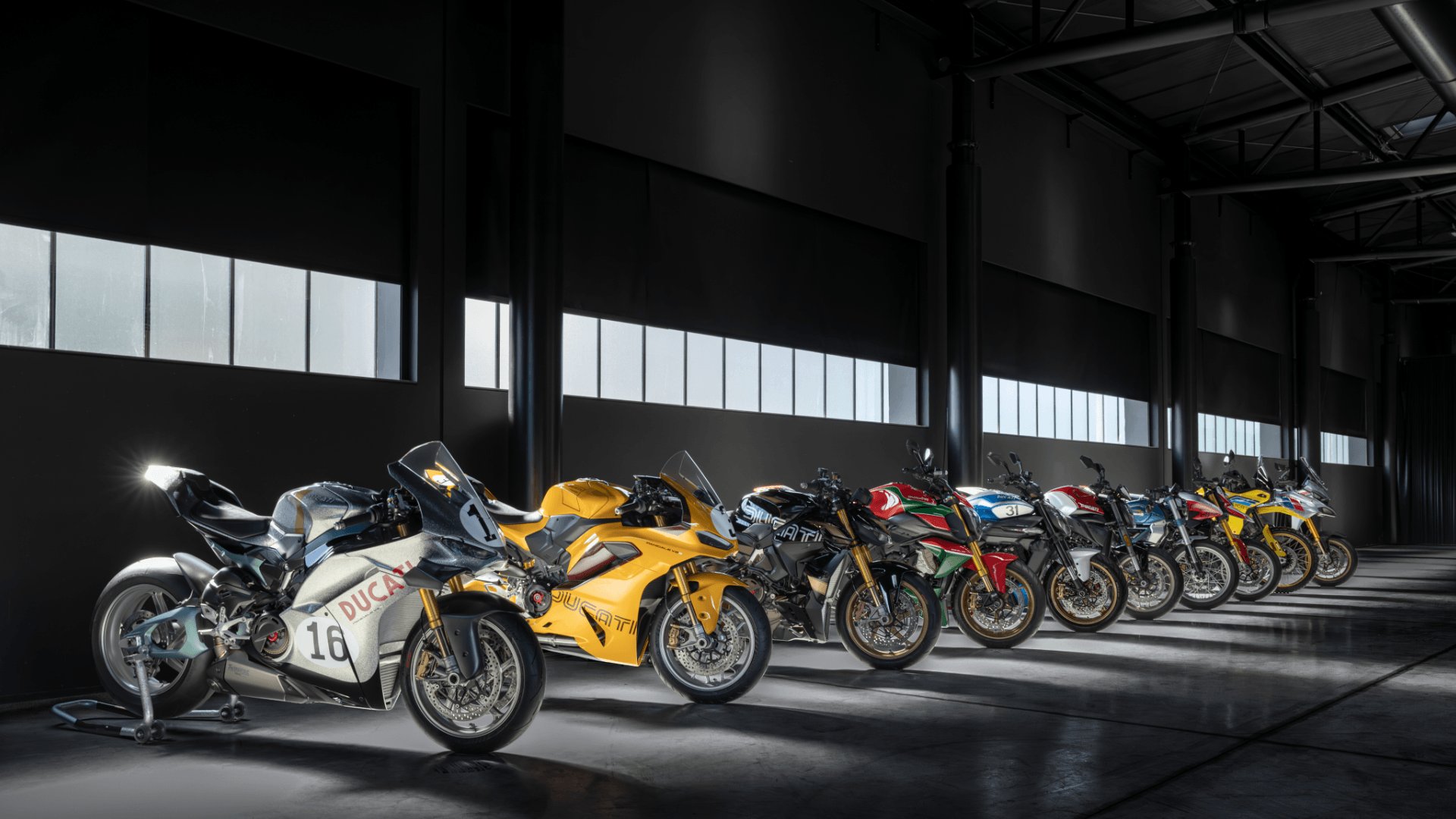
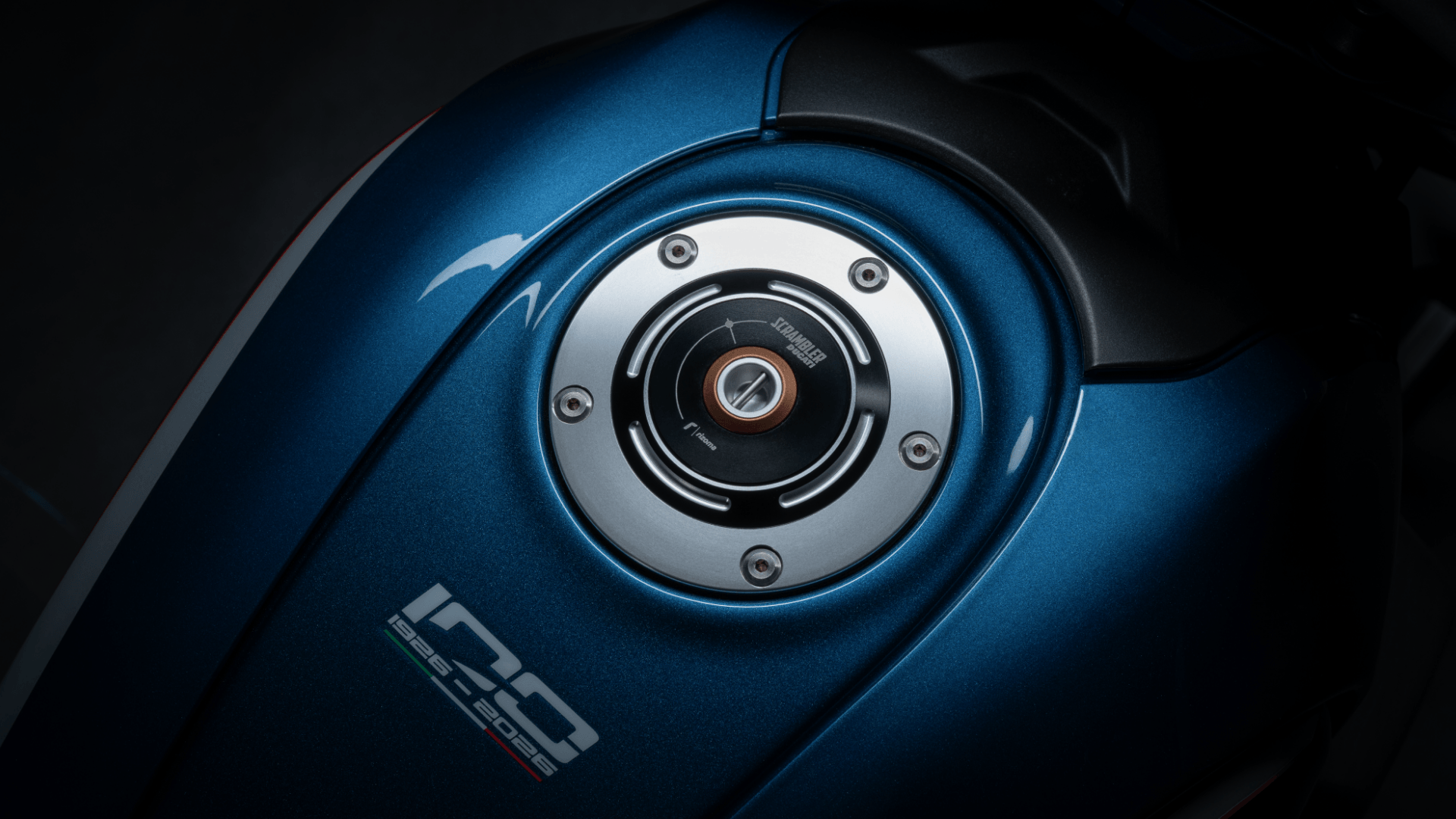
That is how the Scrambler 100 came to life. It is part of the Collezione 100, Ducati’s way of celebrating its centenary: ten models, ten liveries inspired by the brand’s history, and 100 numbered units of each model worldwide. This collector’s project goes beyond reinterpreting the past through new colours and graphics. It also features dedicated components and finishes, from the billet-machined steering head and fuel cap to the seat with its premium upholstery and the brake calipers with their specific finish.
For the Ducati Scrambler, the starting point is the Scrambler 800 Nightshift, the most refined model in the family, combined with one of the most recognisable motorcycles in Ducati history, reimagined with the contemporary style and attitude of the Land of Joy.
But how do you transform a motorcycle that is over sixty years old into a Scrambler for today?
We went straight to the Ducati Style Centre to find out, together with designers Emanuela and Giovanni, who worked on this limited edition. To find the right inspiration, the team consulted Livio Lodi, curator of the Ducati Museum, in search of the most representative Ducati Scrambler in the brand’s history.
The starting point was the Ducati Scrambler 250, the model that began this story in 1962. Created for the US market at the request of American importer Joe Berliner, who was looking for a simple, versatile motorcycle suited to road riding and, above all, light off-road use, it arrived in Italy in 1969 and soon became a symbol of freedom for an entire generation. Reconstructing its identity, however, was not straightforward. Among the models in the Collezione 100, the Ducati Scrambler 250 was one of those with the least historical material available: just a handful of archive images from which to recover its colours and details. As a result, every element required careful research.
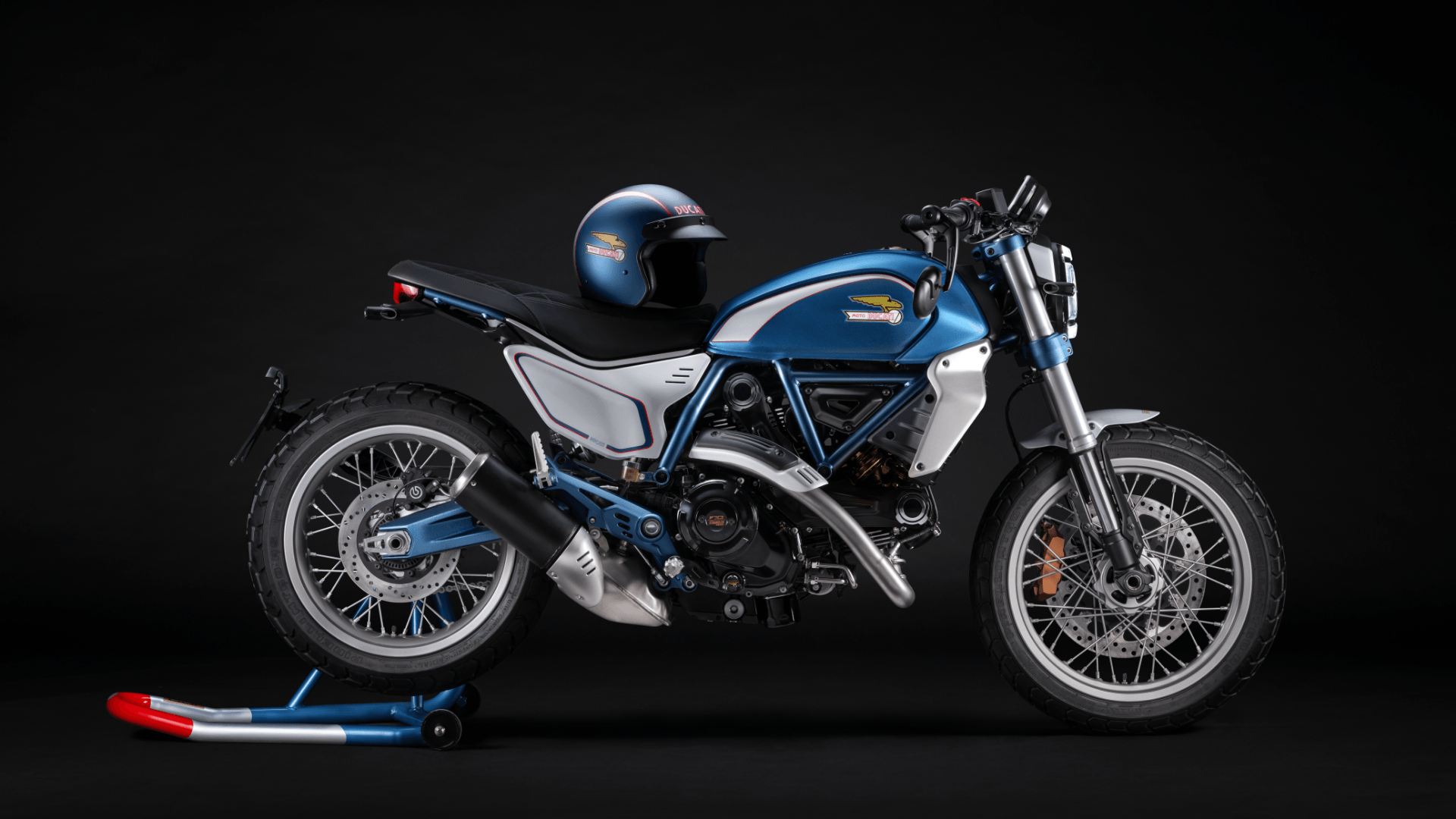
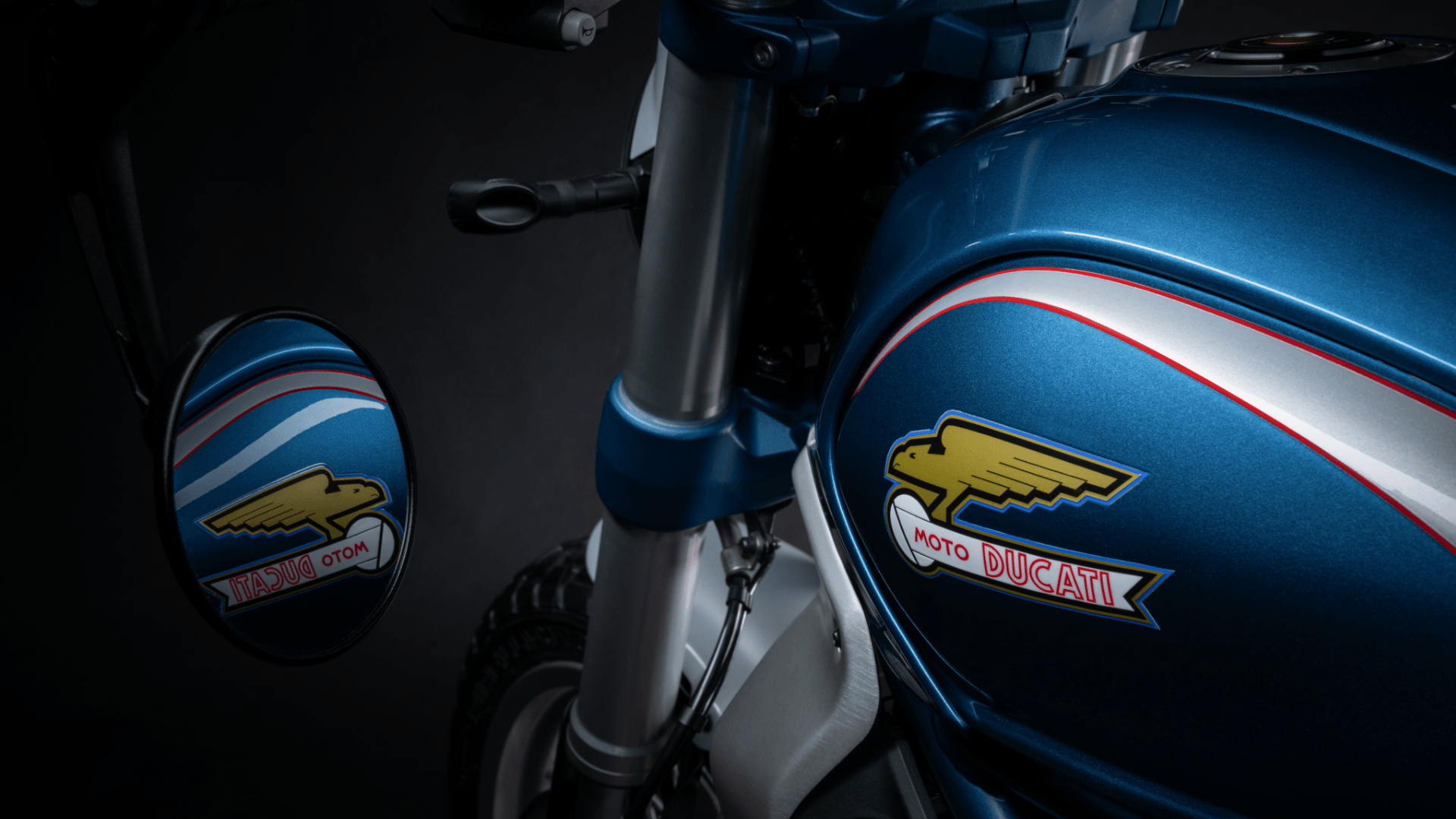
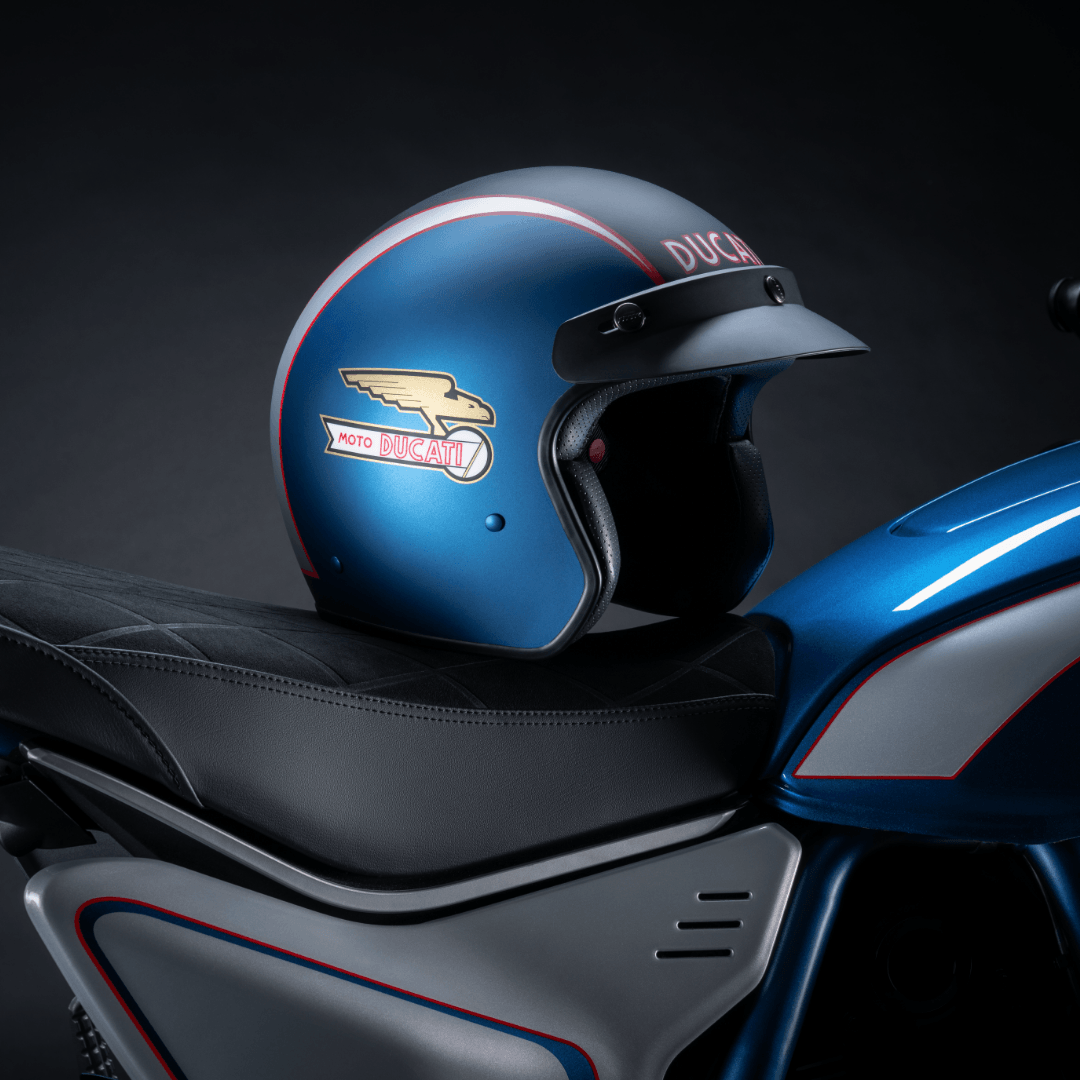
The first element to bring back was the colour. To recover the original shade, the team went straight to the historical archives, retrieving a small sheet of metal that had been preserved over time and using it as a reference to recreate the blue on the contemporary motorcycle.
“At first, we were a little sceptical. We wondered how a Ducati Scrambler would look in this particular shade of blue. Then, when we saw the finished bike in person, it was a wonderful discovery for us too.”
– Emanuela, Ducati Style Centre
At first glance, this shade of blue might seem like an unexpected choice for a contemporary motorcycle. But looking back at its origins reveals that it is anything but a gamble: the colour that might seem unusual today is actually one of the most faithful to Ducati Scrambler history. The challenge was to bring it into the present, adapting it to today’s technologies and finishes without losing its original character.
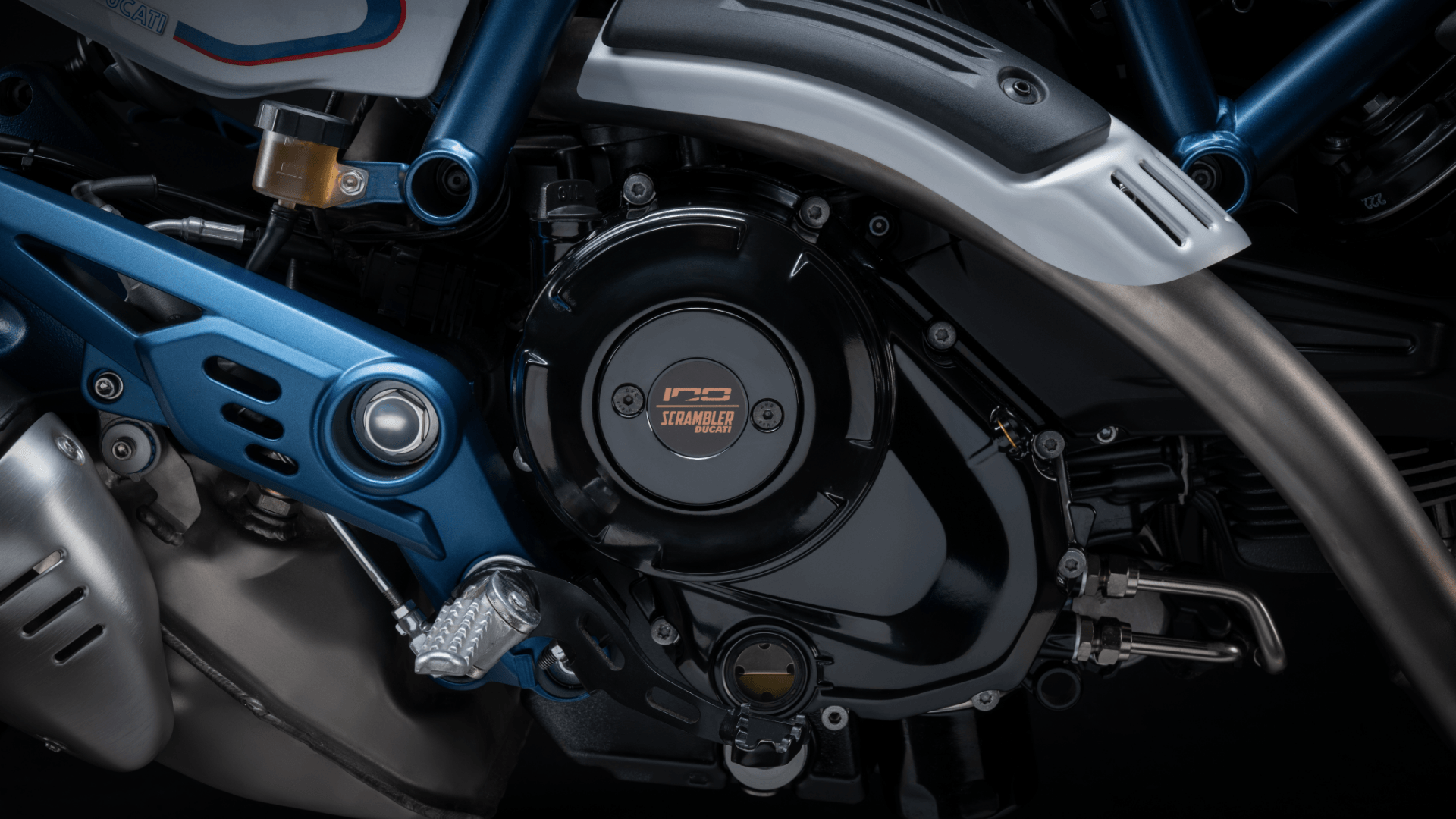
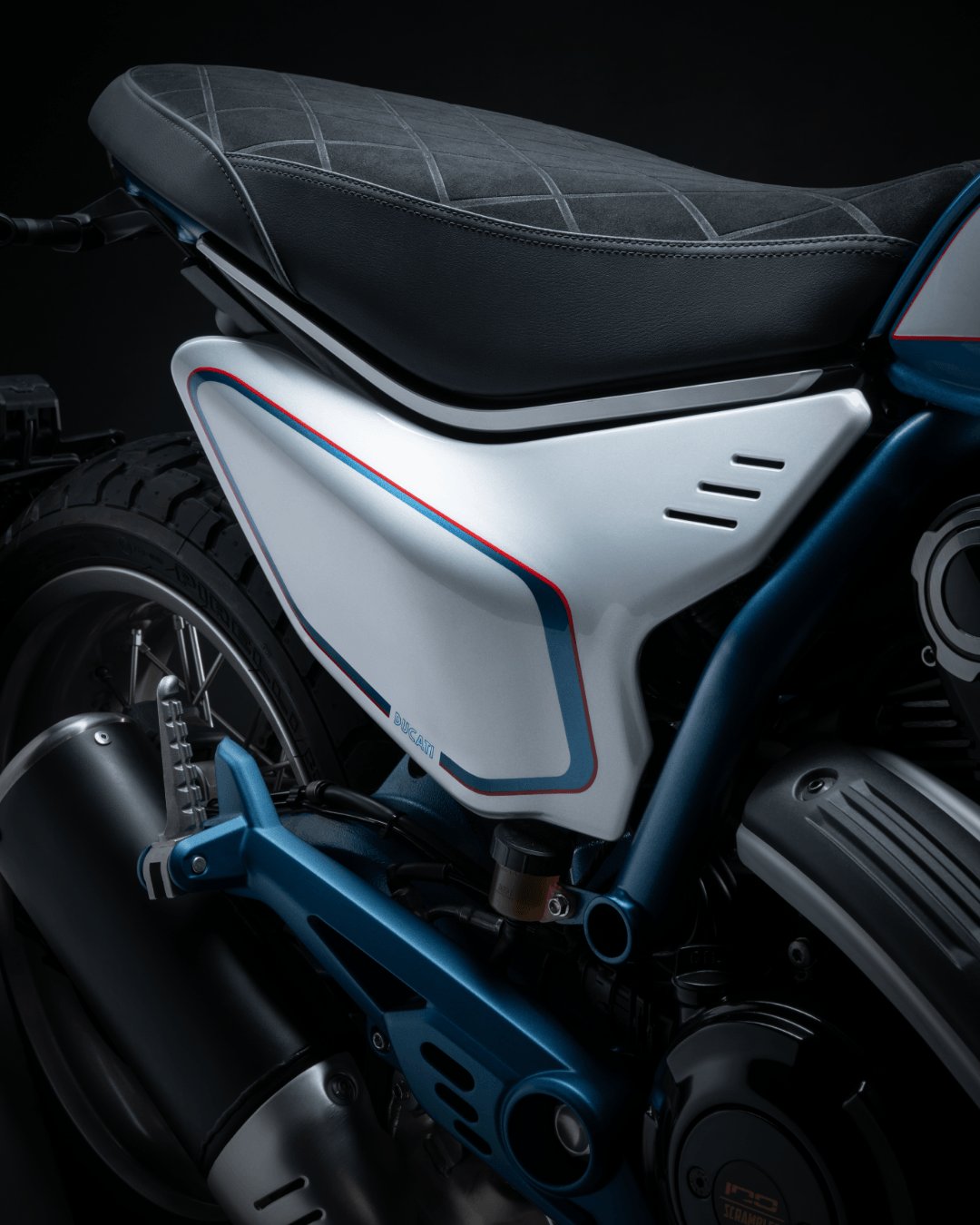
The work did not stop at the tank and body panels. To recreate the visual impact of the 1962 Ducati Scrambler, the Style Centre extended the colour to mechanical components that would normally remain more understated. The swingarm and footpeg plates feature the same blue as the bodywork, while the steering head base and steering head itself echo the original colour scheme. The frame and fork details were also specifically developed for the project.
This is where the Scrambler 100 truly stands out within the Collezione 100. As Giovanni explains, it may be the smallest model in the collection, but it is also one of the most detailed. Alongside the Panigale, it features the greatest number of painted mechanical components. Achieving the same result across different surfaces and materials, however, is far from simple. Plastic, aluminium and mechanical components each react differently to colour and painting techniques. Specific finishes therefore had to be developed, finding the right balance between every element. Repainting a fuel tank is one thing; achieving this kind of coloured finish on mechanical components is an entirely different challenge. These are complex processes that are difficult to integrate into standard production and are made possible precisely by the limited-edition approach.
That is what makes the livery much more than a graphic design: it is not just the colour of the motorcycle, but a colour that runs through the entire bike.
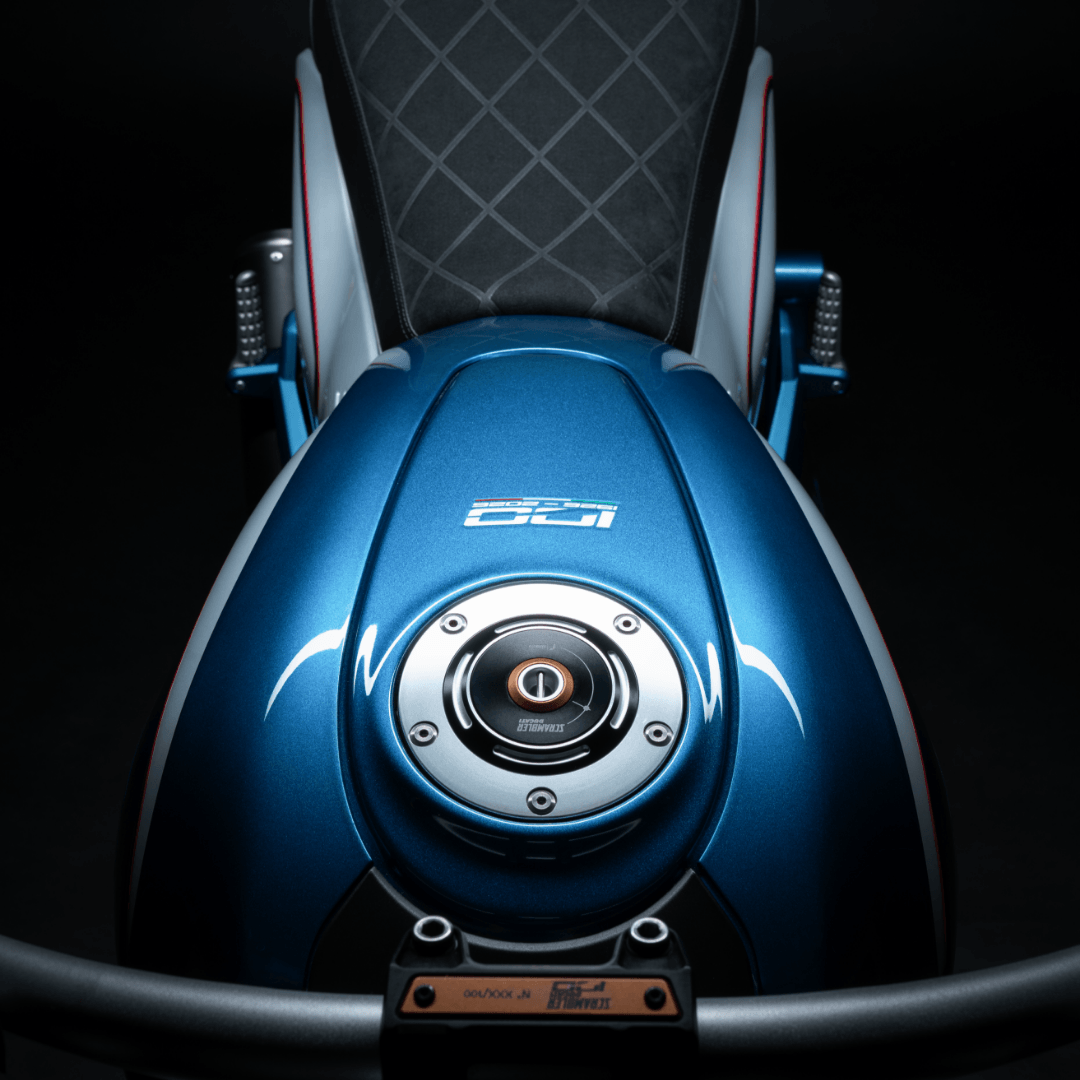
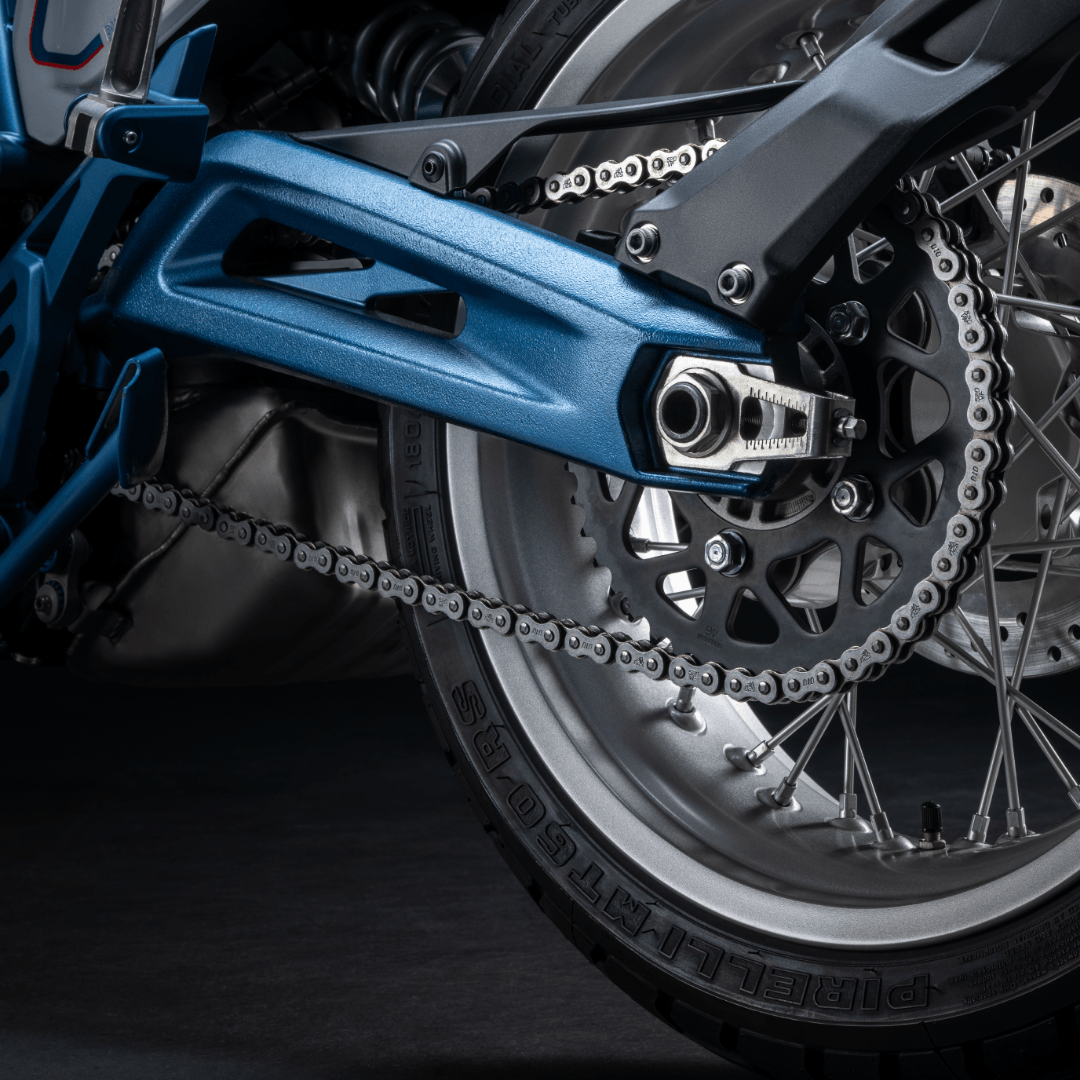
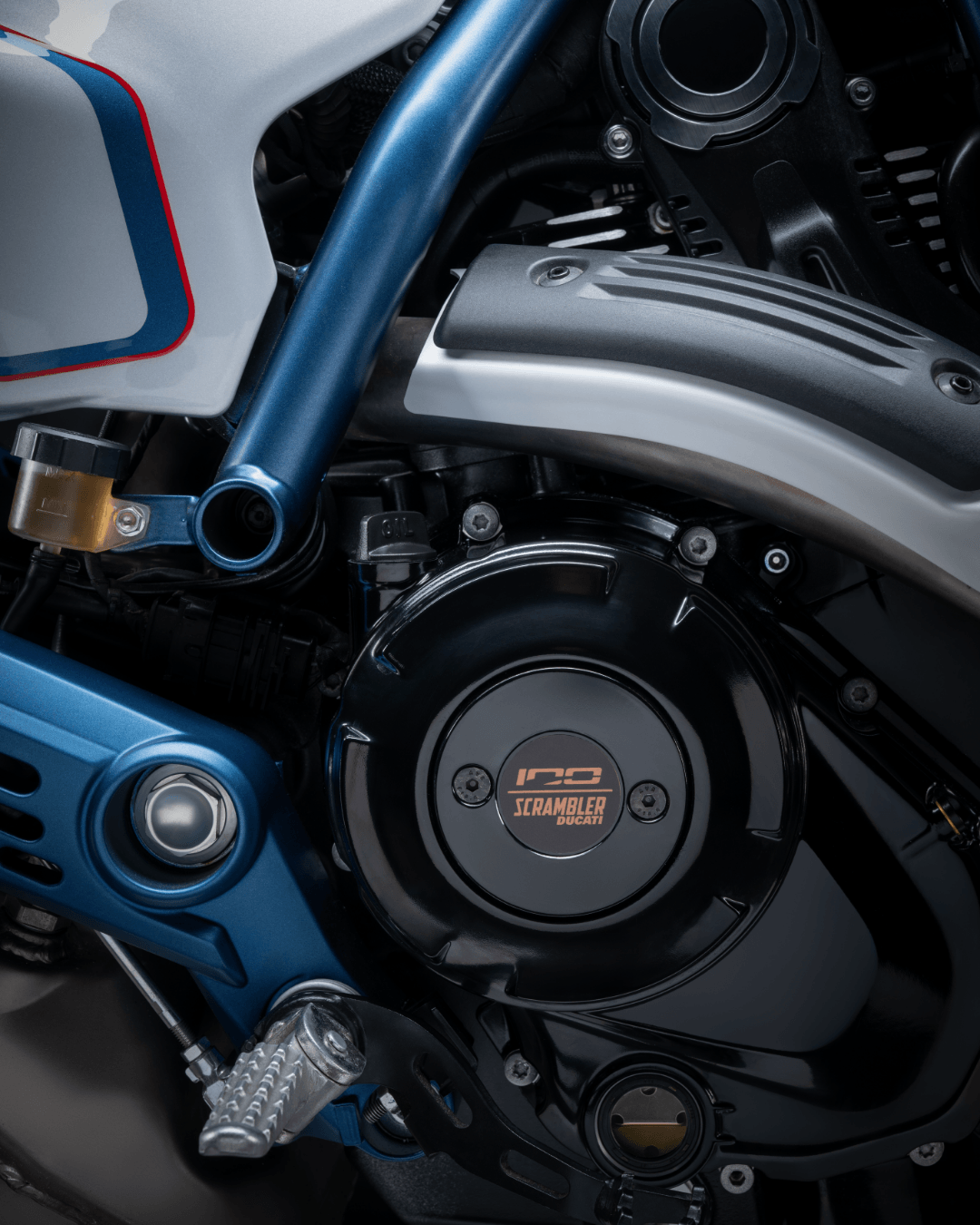
Even the choices that ultimately do not make it into the final design tell part of the creative story. During development, the team explored different solutions for the mechanical components, looking for an even more direct connection with Ducati’s early days.
One option was to draw inspiration from the lighter shades used on some historical engines. But the result did not quite work: a light-coloured engine shifted the balance too far towards a vintage look, risking making the motorcycle feel like a classic model simply brought back to life.
The team therefore chose a black engine, creating a clear contrast with the blue livery and allowing the colour to take centre stage. Completing the look is the bronze Scrambler 100 plate, a detail that connects the model to the rest of the collection.
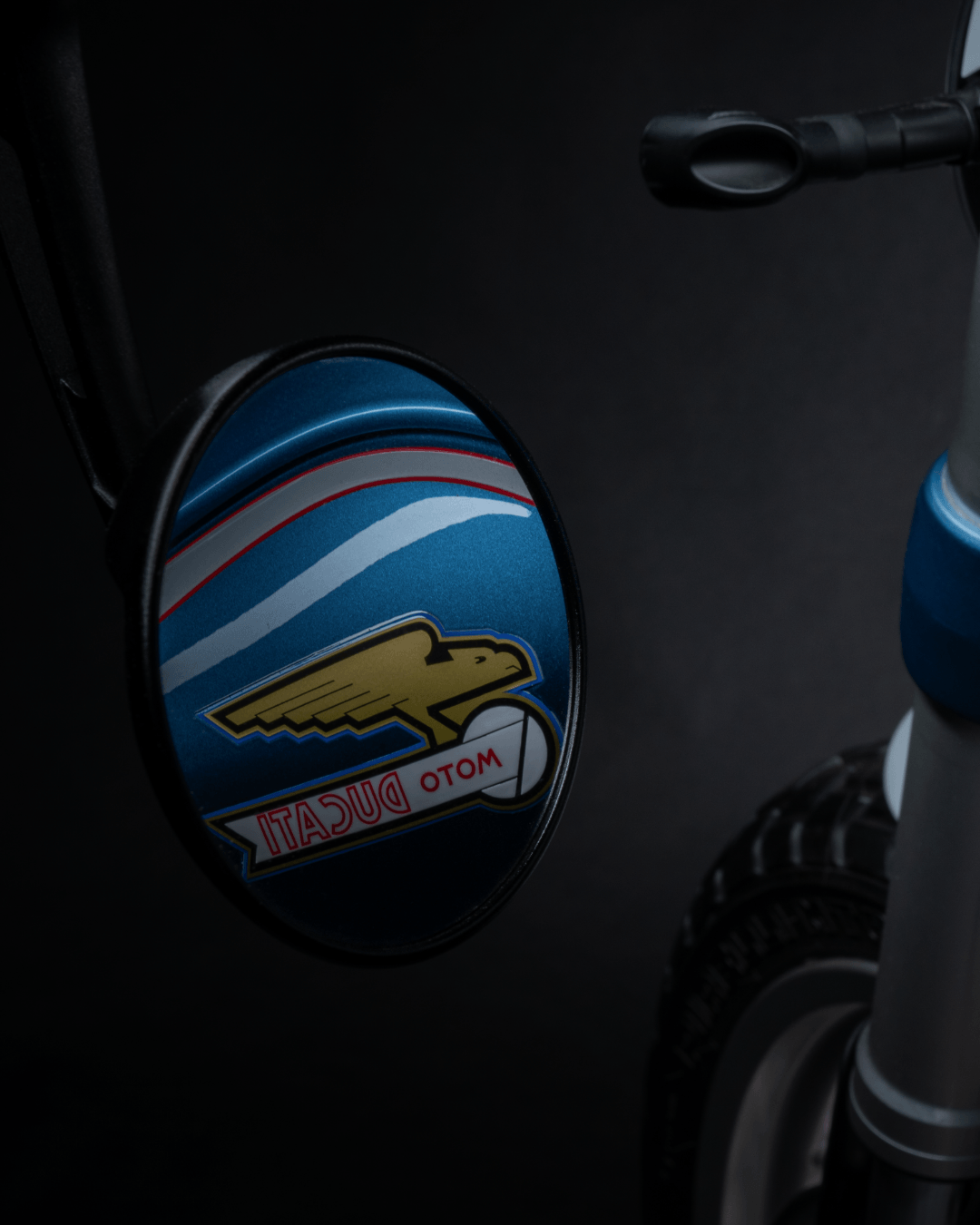
Recreating the logo was one of the most meticulous tasks in the entire project. The Scrambler 100’s tank features the return of the historic winged Moto Ducati logo, brought back to life through extensive archival research.
“The available images were deteriorated, and there was no original physical logo to use as a direct reference.”
– Giovanni, Ducati Style Centre
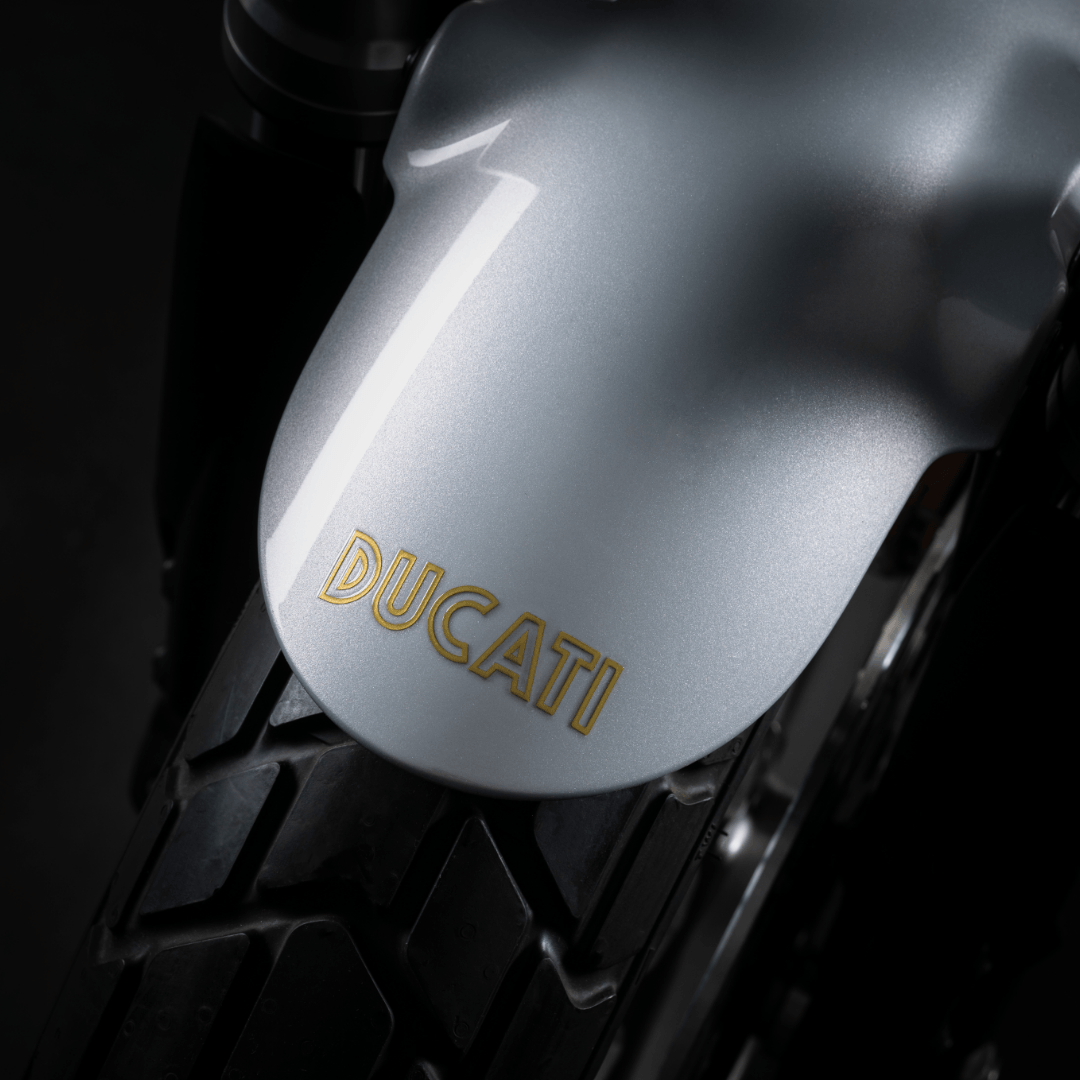
The team therefore redrew the logo from scratch, working on every detail: from the proportions of the Ducati lettering to the gold outline and the distinctive white flag. This reconstruction shows just how much time, research and precision even an apparently small element can require in a project of this kind.
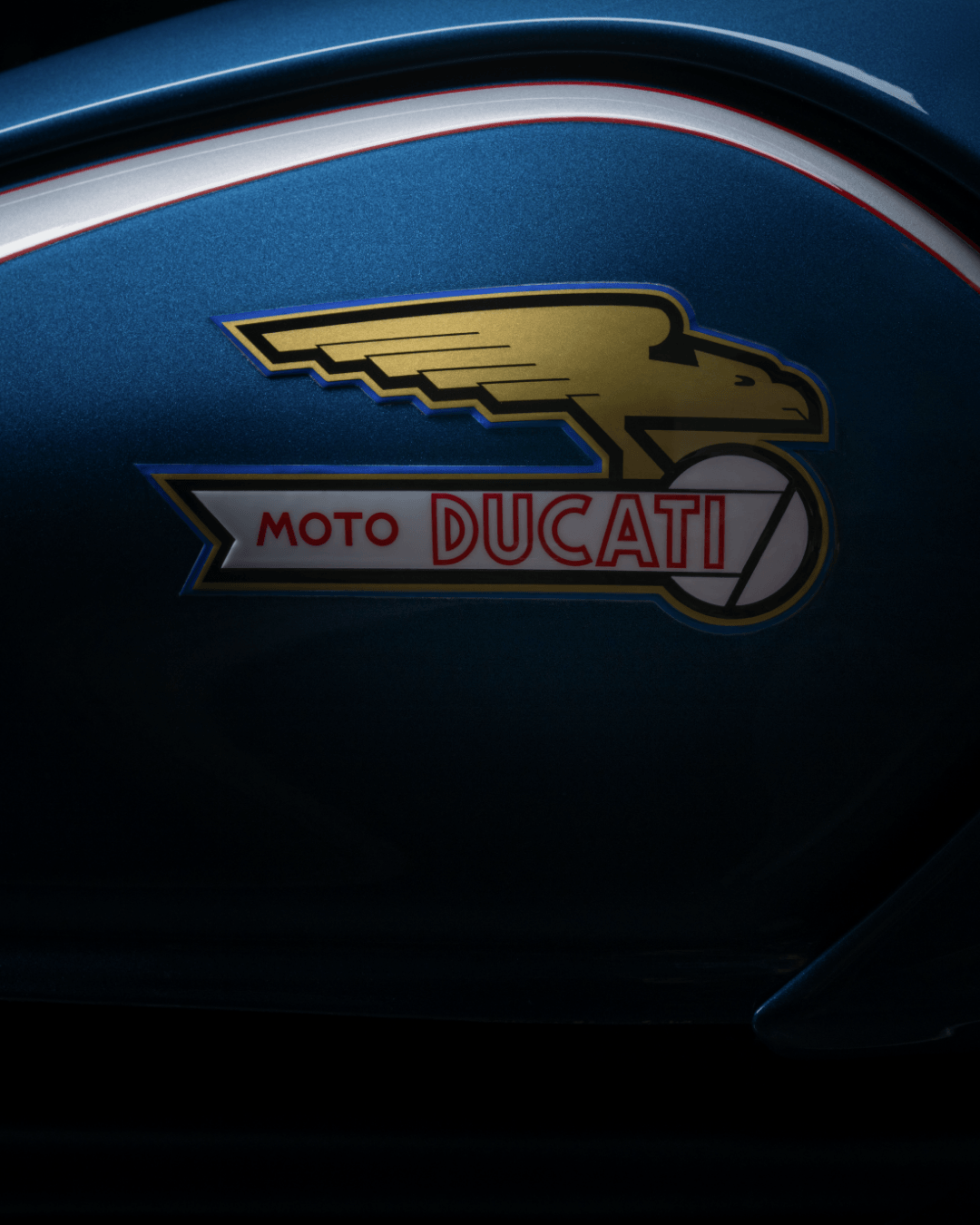
There is another element the Scrambler 100 shares with the other models in the Collezione 100: bronze.
It can be found on the brake calipers and on the Scrambler 100 plate mounted on the engine. Against the blue, it creates a bold contrast, while also acting as a signature detail running through all ten liveries, each with its own identity. Other details, such as the seat’s thermoformed construction and the neutral finish of the number plate beneath the seat, were also carefully considered to keep the silhouette clean and let the colours and proportions do the talking.
Ten motorcycles, ten interpretations of Ducati history, and one common thread connecting them all. On the Scrambler 100, that thread runs through a shade of blue rediscovered in the archives, a logo reconstructed from scratch, and mechanical components that become an integral part of the livery.
Because sometimes, creating something new does not mean looking far ahead. It means going back to the roots, choosing the right details and reinterpreting them in your own way. Just as we do in the Land of Joy.